Introduction to Body Shape Measurement Tools
Body shape measurement tools are essential devices and applications designed to assess and quantify the contours, dimensions, and proportions of the human body. These tools play a crucial role in various fields, including fitness, fashion, healthcare, and personal wellness. By providing accurate data on body measurements such as waist circumference, hip width, bust size, and overall silhouette, they help individuals track progress, tailor clothing, monitor health metrics, and even inform medical diagnoses.
The importance of body shape measurement has grown with rising awareness of body positivity, personalized fitness regimens, and the demand for custom-fit apparel. Traditional methods like manual tape measurements have evolved into sophisticated digital solutions, including smartphone apps and 3D body scanners. This article explores the types, functionalities, benefits, limitations, and practical applications of these tools, offering insights for anyone interested in body assessment.
Types of Body Shape Measurement Tools
Body shape measurement tools can be broadly categorized into manual, digital, and professional-grade options. Each type offers varying levels of precision, ease of use, and cost.
Manual Tools
Manual tools are the simplest and most accessible, relying on physical instruments for direct measurement.
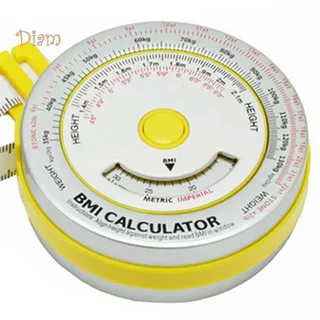
- Tape Measures: The classic flexible tape measure is a staple for home use. Made from cloth, plastic, or metal, it allows users to wrap around body parts like the waist, hips, chest, and thighs. To use it, stand straight, exhale, and measure at the fullest points. Brands like Lufkin or Singer offer durable options, often priced under $10. Accuracy depends on user technique; inconsistencies can arise from uneven tension or posture.
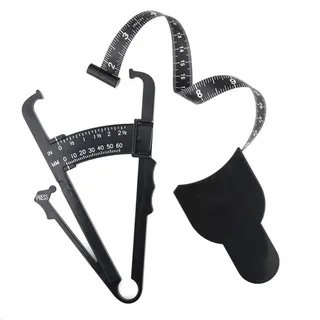
- Calipers: Skinfold calipers measure body fat by pinching skin folds at specific sites (e.g., triceps, abdomen). While not directly for shape, they complement shape tools by estimating body composition. Harpenden or Accu-Measure calipers are popular, costing 50.
Digital Tools
Digital tools leverage technology for automated, data-driven measurements, often integrating with apps or devices.
- Smartphone Apps: Apps like MyFitnessPal, BodyShape, or True Fit use phone cameras and AI to analyze body photos. Users take front, side, and back images, and the app calculates dimensions like bust, waist, and hip ratios. Some apps, such as those from Fitbit or Garmin, sync with wearable devices for comprehensive tracking. Prices range from free to 10, with premium features.
- Smart Scales and Mirrors: Devices like the Withings Body+ scale measure weight, BMI, and body fat via bioelectrical impedance. Smart mirrors, such as those from Samsung or third-party apps, use cameras to scan and measure body shapes in real-time. These tools often connect to apps for progress charts, costing 300.
Professional Tools
For high-precision needs, professional tools are used in clinics, gyms, and fashion houses.
- 3D Body Scanners: Advanced scanners like those from Styku or TC² use infrared or laser technology to create full-body 3D models. Users stand in a booth while cameras capture thousands of data points, generating accurate measurements in seconds. These are ideal for custom tailoring or medical assessments, with systems costing 500–$1,000.
- Anthropometric Kits: Used in research or sports science, these include multiple calipers, tapes, and software for detailed body mapping. Tools from companies like Seca provide professional-grade accuracy.
How Body Shape Measurement Tools Work
The mechanics vary by tool type. Manual tools require physical interaction: a tape measure relies on manual wrapping and reading, while calipers use spring-loaded arms to measure skinfold thickness.
Digital tools employ sensors and algorithms. For instance, a 3D scanner emits light patterns onto the body; cameras detect distortions to map surfaces. AI in apps analyzes images for landmarks (e.g., shoulder width) and computes ratios like waist-to-hip (WHR), which indicates health risks—WHR over 0.85 for women or 0.90 for men signals higher cardiovascular risks.
Wearables like smart scales send low electrical currents through the body to estimate fat percentage based on resistance. Data is processed via apps, often using machine learning for personalized insights.
Benefits and Applications
Body shape measurement tools offer numerous advantages:
- Health Monitoring: They track changes in body composition, aiding in weight management, obesity prevention, and disease detection. For example, consistent waist measurements can predict diabetes risk.
- Fitness and Training: Athletes use them to optimize performance, measuring muscle distribution or body fat for tailored workouts. Apps like Nike Training Club integrate measurements for goal setting.
- Fashion and Retail: Custom clothing brands like ASOS or Levi’s use scans for perfect fits, reducing returns. Tools help identify body types (e.g., hourglass, pear, apple) for style recommendations.
- Medical and Research: In healthcare, they assist in diagnosing conditions like scoliosis or edema. Researchers use them for anthropometric studies on population health.
- Personal Empowerment: Users gain insights into their bodies, promoting body positivity and informed decisions.
Accuracy, Limitations, and Best Practices
While useful, these tools have limitations. Manual measurements can be subjective, with errors up to 5% due to user bias. Digital tools may struggle with lighting, clothing, or diverse body types, leading to inaccuracies in AI-driven apps.
Professional scanners are highly accurate (within 1–2 mm), but cost and accessibility are barriers. Factors like hydration, time of day, and posture affect results—measure consistently, ideally in the morning, unclothed or in form-fitting attire.
To maximize accuracy:
- Use calibrated tools.
- Follow standardized protocols (e.g., from the International Society for the Advancement of Kinanthropometry).
- Combine tools for cross-verification.
- Consult professionals for medical interpretations.
Privacy is a concern with digital tools; ensure apps comply with data protection laws like GDPR.
Popular Tools and Trends
Leading options include:
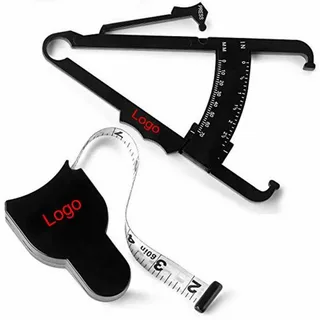
- Tape Measures: Retractable ones from Stanley for everyday use.
- Apps: My Body Shape (free) for basic scans; Fit3D for gym integrations.
- Scanners: Styku for retail; home versions like the Artec Eva for enthusiasts.
- Wearables: Apple Watch or Fitbit for integrated tracking.
Trends point to AI advancements, AR overlays in mirrors, and integration with virtual try-ons. The market is growing, with global body measurement tools projected to reach $5 billion by 2025, driven by e-commerce and health tech.
Conclusion
Body shape measurement tools bridge the gap between self-perception and objective data, empowering users across disciplines. From humble tape measures to cutting-edge 3D scanners, they provide valuable insights into health, fitness, and style. While no tool is infallible, understanding their strengths and limitations ensures effective use. As technology evolves, these tools will become more accessible and precise, fostering a healthier, more informed society. Whether for personal tracking or professional application, investing in the right tool can transform how we view and manage our bodies.